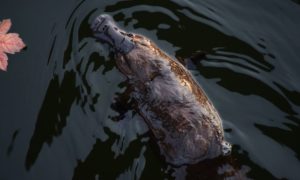
For such an iconic Australian animal, I’m sure I’m not alone in saying that spotting a platypus in the wild can feel a little like finding a four-leaf clover. But soon enough, our luck might just be about to change.
Adelaide could soon be one step closer to welcoming one of Australia’s most iconic animals back to the city. The ambitious rewilding project, led by Green Adelaide, has been years in the making, with extensive research and restoration work underway to determine whether the Torrens is ready to support a population of platypuses once again.
And while there’s still work to be done, recent investment into the river is bringing the dream closer to reality.
Just recently, the South Australian Government committed $4.06 million to revitalise the River Torrens/Karrawirra Pari and its surrounding creek system, with the funding aimed at supporting riverbank revegetation, aquatic planting, water-quality improvements, erosion control and habitat restoration. A further $1.1 million will be invested in stormwater infrastructure to help prevent pollutants from entering the river.
However, for Green Adelaide, this work is about much more than simply bringing back one adorable Australian mammal.
“Bringing platypus back to Adelaide would demonstrate how far the River Torrens / Karrawirra Pari has come through decades of restoration,” explains Green Adelaide Team Leader for Urban Biodiversity, Jason van Weenen.
The platypus is also what the team considers an ‘umbrella species’, meaning that creating the conditions needed for platypuses to thrive could have benefits well beyond the species itself.
“By creating conditions needed for platypus to thrive, we also improve habitat for other native species that depend on healthy rivers, including rakali (native water rats), long-necked turtles and a range of aquatic life”.
To determine whether the river could once again provide a home for the species, researchers from Aquasave–Nature Glenelg Trust surveyed 144 sites along the Torrens, from Kangaroo Creek Reservoir through to West Beach. The 2022 habitat survey examined everything from water depth and quality to riverbank vegetation, predator access, submerged habitat and the availability of food…. and the results were promising.
“The scoping study identified several encouraging signs,” tells Jason.
“These included a reasonable abundance of macroinvertebrates that form part of platypuses’ diet, low levels of ‘loop style’ plastic pollution, and improved water quality and suitable submerged habitat in multiple locations.”
However, the research also highlighted some significant challenges.
“A ‘platypus-ready’ river is one that provides reliable food resources and suitable water quality, including adequate flows, all year round, as well as protection from major threats such as introduced predators and inappropriate fishing gear.”
Large sections of the river experience periods of very low or no flow, while some areas have unsuitable banks, excessive reeds, limited habitat or increased access for predators such as foxes, cats and dogs.
“Introduced predators such as foxes and cats are recognised as a threat to platypus”.
“One of the key activities being implemented already is further vegetation to create a greater physical barrier from predators.”
But while the river itself is undergoing a serious makeover, there’s still one rather important question… where would the platypuses actually come from?
“While we’ve started to explore potential source populations, these have not yet been determined and will form a future part of the project,” explains Jason.
“Any future translocation would need to be guided by platypus experts, conservation specialists and relevant authorities, with careful consideration given to the health and viability of both source population and recipient sites.”
The project also has an important cultural dimension, with the River Torrens/Karrawirra Pari holding deep cultural significance for the Kaurna people.
“The River Torrens / Karrawirra Pari is a culturally significant waterway, and respect for its cultural values is an important consideration throughout the project,” Green Adelaide said.
“Ongoing collaboration with Kaurna People is vitally important part of the project.
“We are actively working alongside Kaurna Miyurna (People) in field opportunities, cultural heritage plans, events and site preparation aspects of the project. We continue to look at how we can learn from Kaurna Miyurna about the Kauwirlta’ (water possum)”.
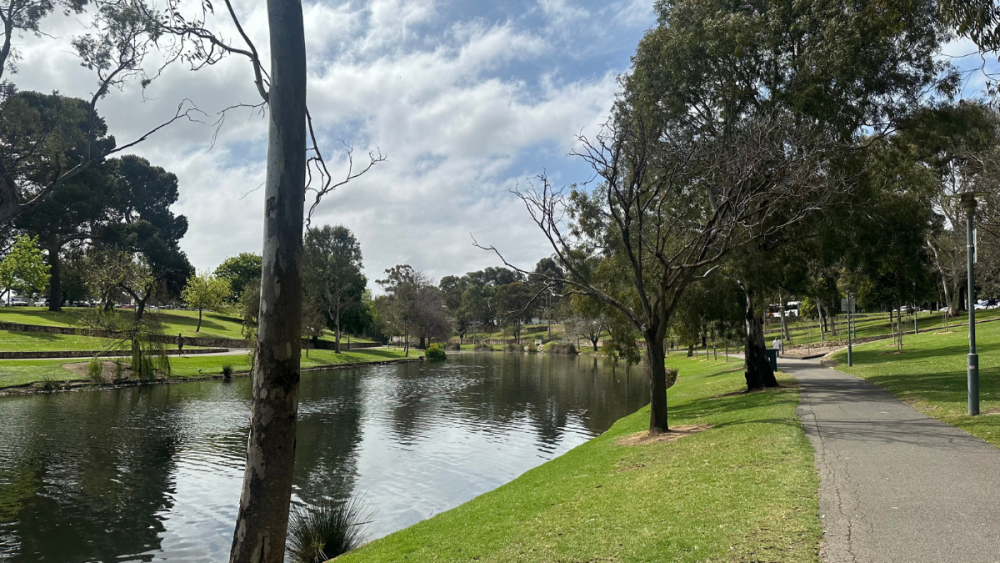
While there is not yet a confirmed date for when the first platypuses could enter the Torrens, the latest investment marks another significant step towards making it possible.
And even once they arrive, it could be some time before we know whether the reintroduction has truly worked, as Jason explains that it is “too early to put a timeframe on success”. However, success in this scenario, is much more complex then simply spotting a Platypus paddling down the river.
“Success indicators would include platypus survival, ongoing occupancy of suitable habitats, successful breeding over multiple years, and evidence that the river can consistently provide the habitat and food resources required to support the population into the future.”
For Adelaide locals, there are also plenty of little things we can do to help in the meantime.
“They can help by reducing litter entering waterways, keeping cats contained and dogs on leads, and becoming involved in future conservation initiatives associated with the project or river restoration more generally.”
“Ultimately, every action that helps improve the health of the River Torrens / Karrawirra Pari also helps create a better environment for platypus and the many native species that already call the river home.”