Almost 150 native birds at Cleland Wildlife Park are now fully vaccinated against H5 bird flu, with veterinarians completing the second round of injections this week.
The booster doses were administered to birds that received their first vaccinations on September 7, completing the two-dose course as part of South Australia’s targeted program to protect vulnerable native species.
Among those vaccinated are orange-bellied parrots, regent honeyeaters, magpie geese, Australian pelicans, regent parrots and red-tailed black cockatoos.
Some of the species involved are already under significant conservation pressure, making them a priority under the national framework for vaccinating native birds held in captive or managed environments.
Cleland’s veterinarians and wildlife keepers have been monitoring the birds daily since their first injections, with no adverse reactions detected.
“Completing the vaccination course for these birds is a significant milestone, particularly for species already facing considerable conservation pressures,” Director of Conservation and Wildlife Lisien Loan said.
“Our veterinarians and wildlife keepers have carefully monitored each bird throughout the program, and it is encouraging that no adverse reactions have been detected following the first vaccinations.”
The vaccination program forms one part of the response to H5 bird flu, alongside biosecurity measures, wildlife surveillance and other work designed to reduce the risk of the virus spreading among native species.
Australia’s H5 outbreak has continued to affect wild birds across multiple states, with South Australia recording hundreds of confirmed events during 2026. Authorities continue to report no detections in poultry or livestock, while the risk to human health remains low.
Minister for Climate, Environment and Water Emily Bourke said vaccination could provide another layer of protection for threatened species.
“Whilst we know there is no one single action that can prevent the spread of H5 bird flu, it is hoped that by combining vaccination with strong biosecurity and resilience building measures, we can give these birds the best chance possible,” Minister Bourke said.
The birds will continue to be closely monitored following their booster injections.
Cleland’s program began earlier this month, when around 150 birds across more than 30 species received their first dose. Similar targeted vaccination programs have also been introduced for priority birds elsewhere in Australia.
To keep up to date with bird flu news, click here.
Related
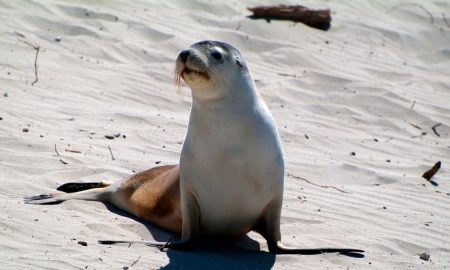 Two new bird flu cases confirmed in endangered sea lions off Kangaroo Island
 More than 11,000 H5 bird flu reports assessed in SA as new community forum announcedFirst H5 bird flu case confirmed in endangered sea lion on Kangaroo Island
 Adelaide Zoo’s Little Penguins and Pelicans set for bird flu vaccinations