
South Australia has recorded 12 new suspected H5 bird flu detections in wild seabirds, with testing underway on samples collected from three coastal regions.
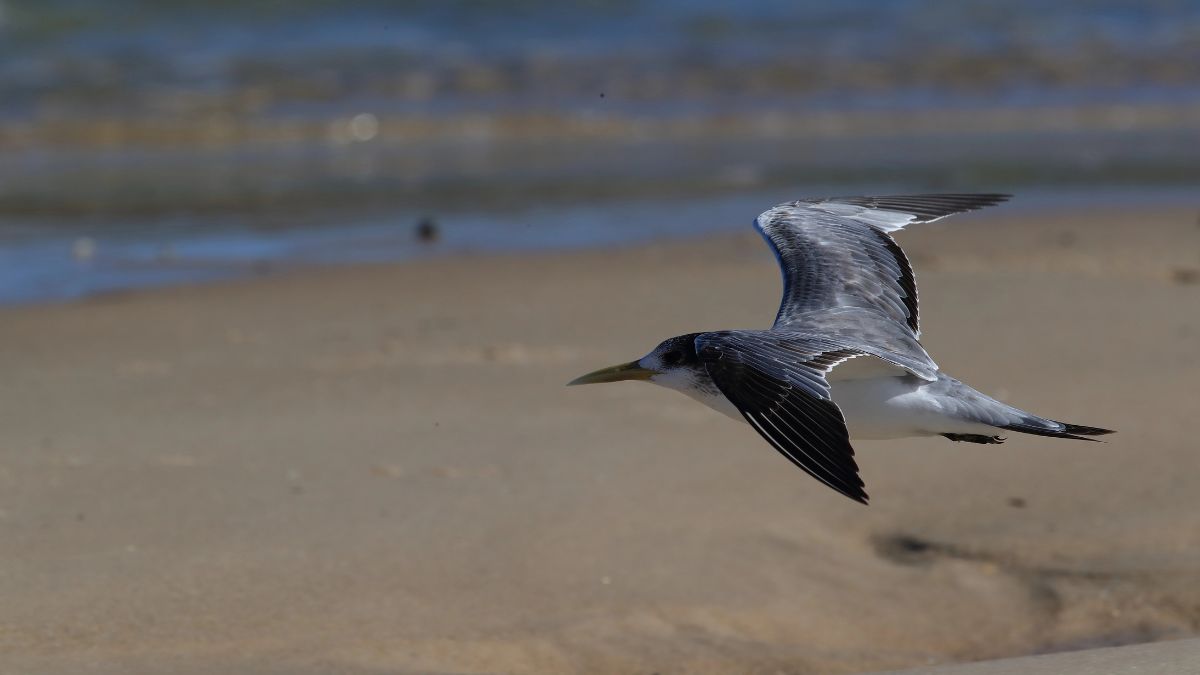
All 12 birds are greater crested terns, including one found at Port Elliot on the Fleurieu Peninsula, three at Seal Bay on Kangaroo Island and eight at Beachport on the Limestone Coast.
The samples have been sent to the CSIRO’s Australian Centre for Disease Preparedness in Geelong for confirmatory testing, with results expected in the coming days.
No additional confirmed results have been received since Tuesday’s update, meaning South Australia’s total remains at 81 confirmed H5 bird flu detections.
The latest results have increased the number of suspect detections currently awaiting confirmation from 28 to 40.
On Tuesday, the centre confirmed H5 bird flu in 23 wild seabirds from the Limestone Coast and Kangaroo Island. All were greater crested terns that had previously returned suspect results.
Authorities have stressed there are still no H5 bird flu detections in poultry or other livestock in South Australia, while the risk to human health remains low.
Since January 1, 1,343 tests have been conducted as part of the state’s surveillance program. The Emergency Animal Disease Hotline has also received 3,673 reports since June 20.
The South Australian Government is continuing to work with primary industries, wildlife organisations and communities to strengthen surveillance, reporting and preparedness across the state.
Community information forums will be held at Parham on Thursday, August 6, and Berri on Tuesday, August 11, providing residents with information about the response and the potential impacts on wildlife, human health and primary industries.
South Australians are being asked to remain vigilant and report sick or dead birds and other wildlife.
People should not touch or approach affected animals and should keep pets away. Instead, record the location, date, species and number of animals before contacting the Emergency Animal Disease Hotline on 1800 675 888.
Further information is available through the South Australian Government’s bird flu website.