Australia’s first dedicated Office for Algal Bloom Research has officially opened in Adelaide, marking a major step in the nation’s response to harmful algal blooms and cementing South Australia’s role as a leader in marine science.
The new $3.2 million office has been established within the South Australian Research and Development Institute (SARDI) and forms part of a broader $37 million Algal Bloom Science Program jointly funded by the Federal and South Australian Governments.
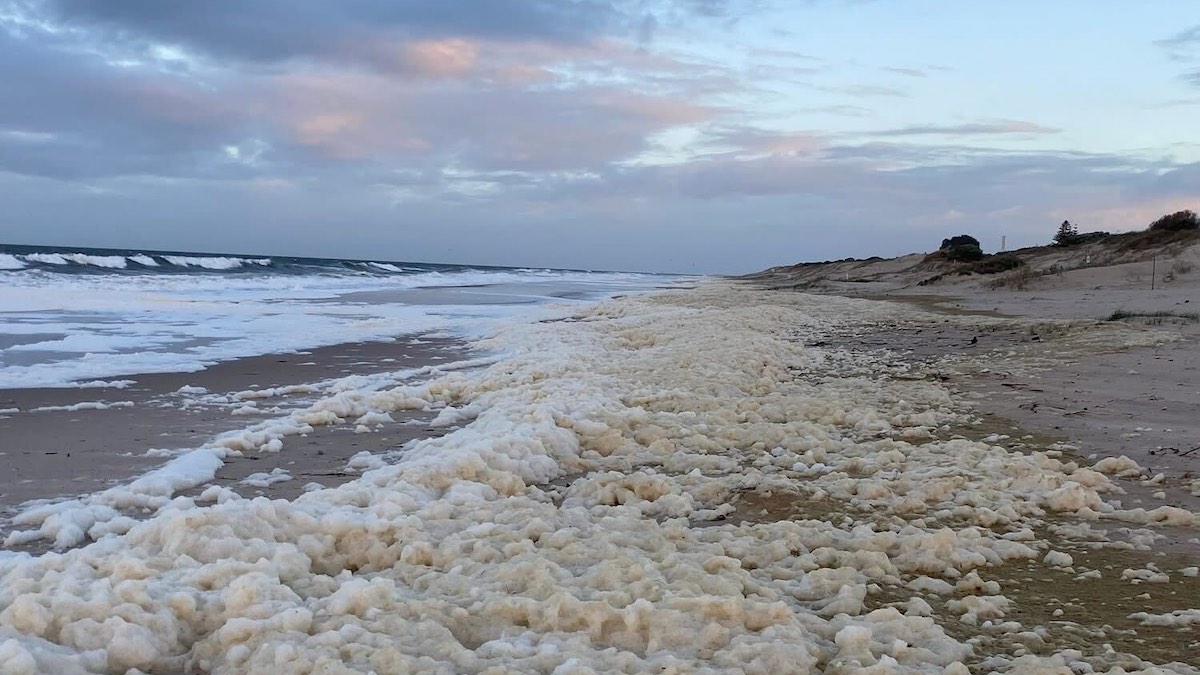
The announcement comes after more than a year of challenges linked to the harmful algal bloom event that has affected South Australian waters, impacting marine ecosystems, industries and coastal communities.
The Office for Algal Bloom Research will be staffed by a newly recruited team of oceanographers, data modellers and phytoplankton specialists, working alongside SARDI’s existing scientists to improve understanding of how algal blooms form, spread and affect marine environments.
Research will focus on developing better forecasting, monitoring and response capabilities, with the aim of helping governments and industries better prepare for future bloom events.
Federal Environment and Water Minister Murray Watt said the investment would strengthen Australia’s scientific capability and improve national coordination.
“This investment in algal bloom science reflects our desire to ensure we have the capacity to anticipate, understand and respond to algal blooms both now and into the future,” Watt said.
“By integrating world-leading technologies and the best in local expertise, we are drawing on the best available science to protect our oceans, marine ecosystems and communities.”
The new office builds on work already undertaken through South Australia’s response to the algal bloom, which first appeared in state waters around 15 months ago.
South Australian Primary Industries and Regional Development Minister Clare Scriven said while significant progress had been made, more research was still needed.
“The past 15 months since the algal bloom appeared in our waters have been challenging for our state,” Scriven said.
“While a significant body of scientific research and work has been accomplished in a remarkably short period of time, there are more answers to be sought as we further our knowledge into blooms.”
Earlier this month Adelaide hosted the Algal Bloom Research Symposium, bringing together more than 200 researchers, government representatives, industry leaders and community stakeholders from Australia and overseas.
The two-day event showcased the latest research into bloom forecasting, monitoring technologies and ecosystem impacts, with findings expected to help guide the work of the new office.
SARDI Executive Director Professor Mike Steer said the recent bloom event had highlighted the importance of strong scientific capability and collaboration.
“The unprecedented nature of this harmful algal bloom event has reinforced the critical importance of trusted applied science in supporting government, industry and communities through complex and rapidly evolving environmental events,” he said.
“The establishment of the OABR is an important step forward in strengthening Australia’s capability to detect, prepare for and respond to harmful algal blooms.”
The Office for Algal Bloom Research is being funded through the jointly funded $162.5 million response package established by the Federal and South Australian Governments following the harmful algal bloom event.
The new hub is expected to play a key role in future research, monitoring and preparedness efforts, while strengthening collaboration between scientists, government agencies and industry both nationally and internationally.